



What are the risks of using outdated software?
Table of Contents
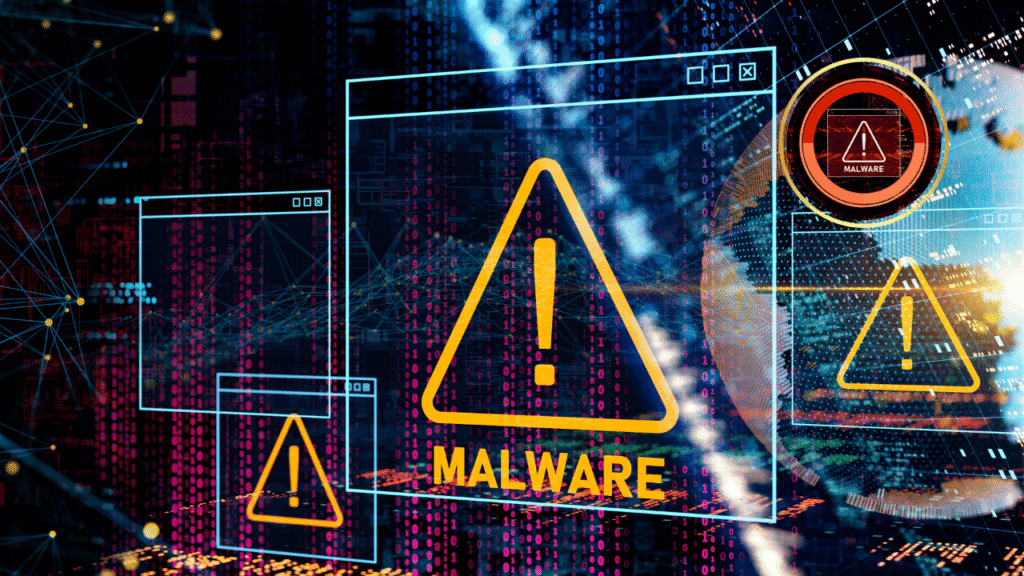
Outdated software risks remain one of the biggest blind spots in cybersecurity. When systems aren’t patched or upgraded, they create easy openings for cybercriminals. Hackers actively scan the internet for unpatched systems, and when they find one, they often don’t hesitate to exploit it with ransomware, malware, or data breaches.
Sticking with old operating systems or unsupported applications doesn’t just mean missing out on new features. It means your organization is vulnerable to the same kinds of attacks that disrupted thousands of businesses during the infamous Log4j2 vulnerability. That single flaw forced companies worldwide to spend weeks racing to patch their systems one U.S. government department reported investing more than 33,000 hours just to contain the issue.
Here are the top five outdated software risks and how you can defend against them.
1. Ransomware Attacks
Hackers love outdated software because it requires little effort to exploit. Studies consistently show that organizations with poor patching practices face a much higher chance of falling victim to ransomware. In fact, companies with failing patch grades were seven times more likely to suffer a ransomware event than those that patched quickly.
The problem is visibility. Many businesses don’t even know which systems are vulnerable until after they’ve been hit. A strong vulnerability management program and disciplined patching schedule are essential to staying ahead of ransomware gangs.
2. Business and Functional Disruption
Old systems don’t just increase security risk they can grind business operations to a halt. Think of all the devices connected to your network: IoT sensors, cloud services, even critical medical equipment. If any of them run outdated code, your entire digital infrastructure could be exposed.
In healthcare, this danger is especially serious. The FBI has reported that 53% of connected medical devices in hospitals contain known critical vulnerabilities. That means outdated software can threaten not just business continuity but also patient safety.
3. Third-Party Vulnerabilities
Your cybersecurity posture is only as strong as your partners. If a vendor uses outdated browsers, operating systems, or security tools, they could unknowingly put your data at risk.
Cloud providers and managed service vendors are also targets. An unpatched firewall or server on their end could open a pathway into your network. That’s why organizations must continuously evaluate and monitor the cybersecurity practices of their suppliers and third parties, not just their own.
4. Mobile Device Compromise
With more employees working remotely or using personal devices for work, outdated mobile operating systems have become another attack vector. Research shows that 67% of employees use their own devices for business tasks, and over half rely on them while traveling.
If a smartphone hasn’t been updated, it could carry unpatched vulnerabilities right into your corporate network. Without strict BYOD (bring your own device) policies and the ability to enforce updates, security teams often lack visibility into these hidden risks.
5. Internet of Things (IoT) Threats
From webcams and smart sensors to industrial robots and GPS trackers, the Internet of Things is growing rapidly. By 2030, there may be 29 billion IoT devices worldwide. Each one is a potential entry point if left unpatched.
A single compromised device can cascade through an organization’s network and supply chain, causing financial damage and operational delays. Given the scale of IoT adoption, manual tracking is nearly impossible continuous monitoring and automated alerts are critical.
How to Reduce Outdated Software Risks
Protecting against outdated software risks requires a proactive, layered approach. Key steps include:
- Map your attack surface: Identify all connected assets, including shadow IT and cloud resources.
- Secure endpoints: Detect new devices as they appear and monitor them continuously.
- Prioritize patching: Address high-risk vulnerabilities quickly and replace unsupported systems.
- Monitor third parties: Track vendor risks in real time, not just during periodic assessments.
Cybercriminals thrive on organizations that ignore updates. By embedding vulnerability management into everyday operations, businesses can reduce their exposure and keep security teams focused on the threats that matter most.
Q1: What are outdated software risks?
Outdated software risks are security threats that arise when programs or operating systems are not updated, leaving known vulnerabilities open to attack.
Q2: Why is outdated software dangerous?
Hackers exploit unpatched systems to launch ransomware, malware, and data breaches. Old software can also disrupt business operations and compromise sensitive data.
Q3: How often should software be updated?
Software should be updated as soon as patches are released. Delays increase exposure to cyberattacks and compliance risks.
Q4: Do outdated operating systems increase ransomware risk?
Yes. Studies show organizations with poor patching are up to seven times more likely to experience ransomware attacks.
Q5: How can businesses reduce outdated software risks?
Companies should implement vulnerability management, patch regularly, enforce device policies, and monitor third-party security to minimize exposure.