


Introduction
Table of Contents
Money management is no longer just about spreadsheets or notebooks it’s about smart tools that work with you in real time. With the rise of artificial intelligence, automation, and digital banking, budgeting has become easier, more personalized, and far more effective.
If you’ve struggled to keep track of expenses or build healthy savings habits, the right budgeting app can be a game changer. In 2025, new apps are integrating with banks, crypto wallets, and even AI-powered financial advisors, giving you a clear picture of your money at all times.
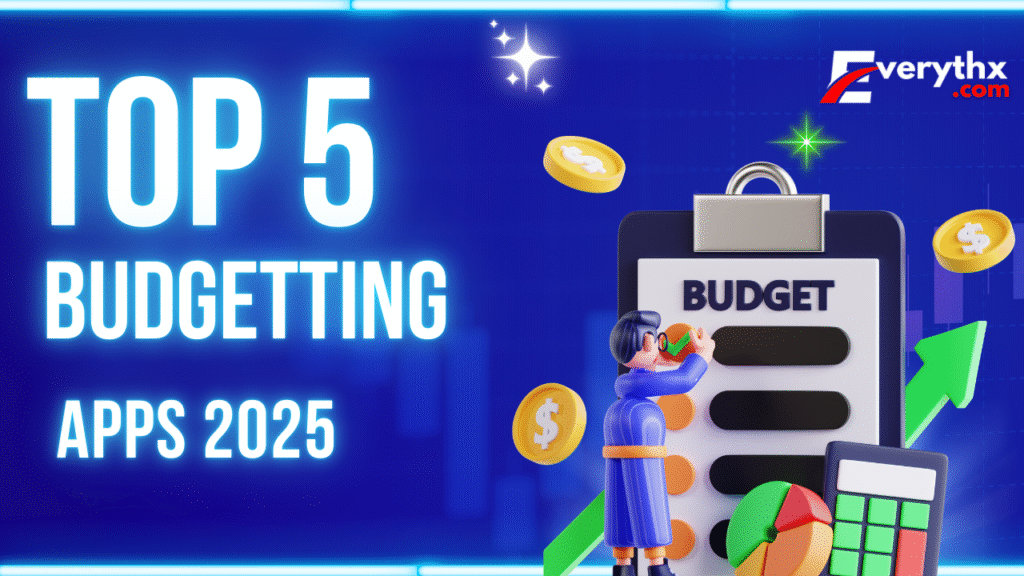
This guide will walk you through the best budgeting apps for 2025, what makes each unique, and how you can choose the one that best fits your financial goals. You’ll learn about their features, pricing, and the real-world benefits they can bring to your budgeting journey.
Why Budgeting Apps Matter More Than Ever in 2025
The financial landscape is changing rapidly:
- Cashless transactions dominate everyday spending.
- Subscriptions and micro-payments pile up unnoticed.
- Inflation and economic uncertainty make smart money habits essential.
Budgeting apps in 2025 do more than track expenses they act as financial wellness tools. From AI-driven recommendations to automatic savings goals, these apps help users make smarter choices without the hassle of manual tracking.
The Best Budgeting Apps for 2025
Below is a detailed breakdown of the top budgeting apps for this year, including their key features, pros, cons, and who they’re best for.

1. YNAB (You Need A Budget)
Overview:
YNAB remains one of the most trusted budgeting tools in 2025, built on the philosophy of “giving every dollar a job.” It’s designed for proactive planners who want total control over their money.
Key Features:
- Real-time expense tracking across devices
- Goal-setting tools with visual progress charts
- Debt payoff planner with timelines
- Direct import from banks and credit cards
- Educational resources for financial literacy
Pros:
- Excellent for detail-oriented budgeting
- Strong community support
- Helps eliminate paycheck-to-paycheck living
Cons:
- Steeper learning curve than some competitors
- Subscription-only model
Best For: People who want a structured, hands-on approach to budgeting.
2. Mint (Now Reinvented with AI Features)
Overview:
Mint has been redesigned for 2025 with new AI-driven insights. It automatically categorizes spending and highlights areas where you can cut back.
Key Features:
- AI-based spending alerts and suggestions
- Subscription tracking and cancellation tools
- Credit score monitoring
- Net worth tracking across accounts
Pros:
- Free to use
- Easy setup and automation
- Great for beginners
Cons:
- Ads and product recommendations can feel intrusive
- Limited customization compared to YNAB
Best For: Beginners who want quick, automated budgeting.
3. Goodbudget
Overview:
Goodbudget sticks to the traditional envelope budgeting system, perfect for families or couples who want to plan together.
Key Features:
- Envelope-style digital budget categories
- Cross-device sync for households
- Debt payoff tracking
- Custom savings goals
Pros:
- Simple and intuitive interface
- Great for shared budgets
- Free and affordable plans available
Cons:
- Lacks real-time bank syncing (manual input required)
- Limited features for advanced users
Best For: Families or couples who want to budget together.
4. Monarch Money
Overview:
Monarch Money is growing fast in 2025, focusing on visual clarity and long-term planning. Its sleek interface makes it easier to see where your money is going and plan ahead.
Key Features:
- Collaboration features for partners or financial advisors
- Personalized dashboards with charts and insights
- Investment and net worth tracking
- Goal-setting with progress visuals
Pros:
- Beautiful, user-friendly interface
- Great for both budgeting and wealth tracking
- Strong support for joint accounts
Cons:
- Paid subscription only
- Still building out advanced features compared to older apps
Best For: Professionals or couples who want a modern all-in-one financial tool.
5. Rocket Money (formerly Truebill)
Overview:
Rocket Money is ideal for managing subscriptions and finding hidden savings. It’s the app that negotiates bills and cuts unnecessary costs automatically.
Key Features:
- Subscription detection and management
- Bill negotiation services
- Credit report insights
- Customizable budgets
Pros:
- Helps cut hidden expenses
- Strong bill negotiation features
- Easy automation
Cons:
- Negotiation features sometimes require premium access
- Not as detailed in budgeting as YNAB or Monarch
Best For: People who want to stop overpaying and cut unnecessary costs.
6. PocketGuard
Overview:
PocketGuard simplifies money management by showing you exactly how much you can safely spend. Its “In My Pocket” feature is a lifesaver for people prone to overspending.
Key Features:
- Real-time “spendable money” calculation
- Expense categorization
- Goal-setting for savings
- Bank-level security
Pros:
- Extremely user-friendly
- Perfect for people who don’t like spreadsheets
- Free version available
Cons:
- Limited advanced tools
- Best for simple budgets, not long-term planning
Best For: Everyday users who want to avoid overspending.
7. AI-Powered Newcomers: Cleo & Emma
2025 has seen a rise in AI-first budgeting tools. Cleo and Emma stand out for their chat-based interfaces, helping you manage money like you’re texting a financial coach.
Cleo: Offers witty spending breakdowns, gamified savings, and even cash advances.
Emma: Known for subscription detection, real-time insights, and community challenges.
These apps are designed for younger users who want finance to feel engaging, not intimidating.
How to Choose the Right Budgeting App
When picking a budgeting app in 2025, ask yourself:
- Do I want simplicity or detailed control? (PocketGuard vs. YNAB)
- Do I need household sharing? (Goodbudget or Monarch Money)
- Do I want automation and AI help? (Mint, Cleo, Emma)
- Do I need subscription/bill management? (Rocket Money, Emma)
It’s worth trying a few free trials to see which interface and features resonate most with you.
Practical Tips for Getting the Most from Budgeting Apps
- Set Clear Goals First – Savings, debt payoff, or investment. Apps work best when tied to goals.
- Check Weekly, Not Just Monthly – Small course corrections prevent big overspending.
- Use Alerts and Automation – Let the app nudge you instead of relying on memory.
- Combine with Financial Education – Budgeting tools are powerful, but pairing them with basic money knowledge is even more effective.
| App | Key Features | Pros | Cons | Best For | Pricing (2025) |
|---|---|---|---|---|---|
| YNAB (You Need A Budget) | Real-time tracking, goal setting, debt payoff planner, strong community support | Hands-on control, excellent for detailed budgets, proven results | Steep learning curve, subscription-only | People who want structured, proactive budgeting | ~$14.99/month (annual discounts) |
| Mint (AI-enhanced) | AI insights, automatic categorization, credit score tracking, subscription alerts | Free, easy automation, beginner-friendly | Ads and product promos, limited customization | Beginners who want a free automated tool | Free (with ads) |
| Goodbudget | Envelope budgeting system, debt tracking, shared household planning | Simple to use, great for families/couples, affordable plans | No real-time sync, limited advanced tools | Families or couples budgeting together | Free / Plus plan ~$8/month |
| Monarch Money | Personalized dashboards, investment & net worth tracking, partner collaboration | Sleek design, joint account support, good long-term planning | Paid only, still adding advanced features | Professionals or couples wanting an all-in-one tool | ~$14.99/month (or annual plan) |
| Rocket Money | Subscription detection, bill negotiation, custom budgets | Cuts hidden costs, strong automation, easy setup | Premium features gated, less detail for advanced budgets | Users who overspend on subscriptions or bills | Free / Premium ~$12–15/month |
| PocketGuard | “In My Pocket” spendable calculation, simple goals, real-time categorization | Very user-friendly, helps prevent overspending, free plan available | Limited advanced planning, best for simple budgets | People prone to overspending | Free / Plus ~$7.99/month |
| Cleo (AI-based) | Chatbot interface, witty breakdowns, gamified savings, cash advances | Fun, engaging, gamifies finance, AI-driven advice | Less serious for long-term budgeting, geared toward younger users | Gen Z / Millennials who want finance made fun | Free / Cleo Plus ~$5.99/month |
| Emma (AI-based) | Subscription detection, spending insights, challenges, crypto wallet support | Modern design, strong subscription tools, community feel | Premium plan needed for most features | Young users & subscription-heavy spenders | Free / Pro ~$9.99/month |
FAQs
1. What is the best free budgeting app in 2025?
Mint and PocketGuard both offer free plans, with Mint excelling at automation and PocketGuard focusing on safe-to-spend calculations.
2. Are budgeting apps safe?
Yes, most apps use bank-level encryption and security. Always choose apps with strong reputations and read their privacy policies.
3. Can budgeting apps help with debt repayment?
Absolutely. Tools like YNAB and Goodbudget include debt payoff features that track progress and motivate users.
4. Do these apps support cryptocurrency or investments?
Monarch Money and some newer AI apps like Emma are expanding to include crypto wallets and investment tracking.
5. Should I use more than one budgeting app?
It depends on your needs. Some people use one for budgeting and another for subscription management, but ideally, one all-in-one app is simpler.
Conclusion
Budgeting apps in 2025 are smarter, more user-friendly, and more powerful than ever before. Whether you want detailed control with YNAB, effortless automation with Mint, or modern AI-driven tools like Cleo, there’s an option tailored for you.
The real power of these apps lies in consistency. Choosing the right one is just the first step; using it daily or weekly is what transforms your financial future.
Start small track spending, set one savings goal, or cancel unused subscriptions. Over time, these small steps, guided by the right app, will add up to real financial freedom.